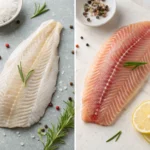
The Ultimate Guide to Premium Well-Trimmed Pangasius Fillets
Table of Contents
I. Introduction
In the highly competitive global seafood market, the consistency of your supply chain is the backbone of your business reputation. For international distributors and retail chains, sourcing premium Pangasius fillet well-trimmed is no longer just a preference—it is a strategic necessity. A poorly processed fillet, riddled with excess fat, red meat, or skin, not only compromises the end-user experience but also inflates your operational costs through labor-intensive re-processing.
At BAKACO, we understand that your brand demands excellence. As a leading exporter from Vietnam’s Mekong Delta, we bridge the gap between sustainable aquaculture and world-class processing. This comprehensive guide provides an in-depth look at our well-trimmed Pangasius fillets, detailing why our precision-cut standards and “Farm-to-Table” quality control systems are the ultimate solution for businesses seeking reliability and zero-waste efficiency. Discover how partnering with a professional supplier can transform your seafood sourcing today.
II. What Defines a “Well-Trimmed” Pangasius Fillet?
In the seafood industry, “well-trimmed” is not merely a descriptive term; it is a rigorous technical specification that separates premium exports from commodity-grade products. A truly well-trimmed Pangasius fillet represents the highest standard of processing precision, where the goal is to provide the buyer with a clean, 100% edible product that requires zero further preparation before cooking or retail packaging.
At BAKACO, our trimming standard is defined by the absolute removal of all undesirable components that typically impact the texture and appearance of the fish.
The Four Pillars of a Well-Trimmed Fillet:
To meet our export-grade definition, a fillet must pass through a multi-stage trimming process:
- 100% Fat Line Removal: The thick layer of fat along the dorsal (back) line and the lateral lines is meticulously carved out. This ensures a leaner fillet and prevents the bitter aftertaste associated with oxidized fish fat.
- Total Red Meat Extraction: We remove all reddish muscle tissue found along the lateral line. This creates the uniform, clean white appearance that high-end restaurants and premium retail chains demand.
- Belly Flap Cleanliness: The belly flap, which naturally contains higher fat content and thinner meat, is completely removed, leaving only the firm, high-protein muscle tissue.
- Zero Bone and Fin Tolerance: Our automated and manual inspection lines ensure that all remnants of vomer bones or fin structures are eliminated, guaranteeing a safe, bone-free experience for the end consumer.
Quality Comparison: The Professional Standard
The following table illustrates the difference between our Well-Trimmed standard and industry-standard classifications:
| Feature | Well-Trimmed (BAKACO) | Semi-Trimmed | Untrimmed (Raw) |
| Fat Line | 100% Removed | Partially Removed | Remains |
| Red Meat | 100% Removed | Minor Traces | Remains |
| Belly Flap | Removed | Removed | Remains |
| Edible Yield | High (Ready to use) | Moderate | Low (Requires labor) |
| Market Segment | High-end Retail / Fine Dining | Catering / Wholesale | Re-processing Plants |
By adhering to the well-trimmed specification, BAKACO ensures that our partners are not paying for “waste.” When you import our fillets, you are receiving a ready-to-use product that optimizes your throughput, enhances plate presentation, and upholds the quality standards of the most demanding global markets.
III. Why Business Buyers Prioritize “Well-Trimmed” Pangasius
For professional seafood importers, distributors, and food service managers, the choice of trimming specification is a critical financial decision. While untrimmed or semi-trimmed fillets may carry a lower per-kilogram price, they often result in higher “hidden costs” that erode profit margins. Choosing a well-trimmed Pangasius fillet is a strategic investment in operational efficiency and brand integrity.
1. Maximizing Operational Efficiency and Labor Savings
The most immediate benefit of sourcing well-trimmed fillets is the elimination of post-import processing. When a wholesale distributor or a restaurant chain receives our product, it is already “chef-ready.” There is no need for specialized staff to trim, skin, or de-fat the fish. By removing this labor-intensive step from your supply chain, you significantly reduce overhead costs and minimize the potential for cross-contamination or damage to the delicate fish tissue during secondary handling.
2. Guaranteed Yield and Cost Predictability
When you purchase “well-trimmed” product, you are paying for 100% edible yield. With untrimmed product, you are essentially paying for waste—fat, skin, and fins that will be discarded, yet these elements contribute to the weight of the shipment.
- The Math of Value: A well-trimmed fillet offers a predictable, consistent net weight. This allows your purchasing and sales teams to calculate margins with pinpoint accuracy. You are not losing 10-20% of your shipment to trimming loss, ensuring that your procurement budget is focused entirely on the high-quality product you sell to your customers.
3. Enhancing Market Positioning and Brand Reputation
In high-end retail and fine dining, the visual presentation is as important as the taste. The consistent, pristine white appearance of a well-trimmed Pangasius fillet elevates your brand, allowing you to position your product in premium market segments. Consumers in sophisticated markets—such as the European Union and North America—associate “well-trimmed” with transparency, cleanliness, and superior quality. By providing a product that looks and cooks perfectly, you foster long-term customer loyalty and reduce product returns or quality complaints.
4. Operational Consistency for Large-Scale Supply
Whether you are supplying a chain of restaurants or a national supermarket network, consistency is the key to scale. Our well-trimmed standard ensures that every batch, every shipment, and every carton meets the same high-quality specification. This uniformity allows your business to standardize recipes, retail packaging, and portion control, ensuring that the consumer experience is identical, whether they purchase your product in London, New York, or any other global market.
By prioritizing quality over the illusion of a lower price point, business buyers can streamline their supply chain, ensure higher profitability, and solidify their standing as a provider of premium, high-value seafood.
IV. The BAKACO Standard: Farm-to-Table Quality Control
At BAKACO, we do not view “quality” as a final inspection step; rather, it is a comprehensive, integrated philosophy embedded in every stage of our supply chain. To deliver a truly premium Pangasius fillet well-trimmed, we maintain absolute control over the product journey, from the hatchery to the shipping container. Our “Farm-to-Table” model is designed to mitigate risks and ensure that every fillet meeting our export-grade standard is of consistent, world-class caliber.
1. Sustainable Aquaculture and Raw Material Integrity
The foundation of a perfect fillet begins in the water. We source our fish from carefully audited, ASC-certified farms in the heart of the Mekong Delta.
- Controlled Environment: Our ponds are managed under strict protocols where water quality parameters—such as pH, dissolved oxygen, and temperature—are monitored daily.
- Responsible Feed Management: We utilize high-protein, floating feed that is free from growth hormones and prohibited antibiotics. This ensures that the Pangasius develops a firm muscle structure and a clean, mild flavor profile that is highly sought after by international chefs.
2. Advanced Processing Technology
Our processing facility acts as a high-tech fortress of hygiene. Once the fish is harvested and transported via live-well boats to minimize stress, it enters our state-of-the-art processing line:
- Precision Filleting: We utilize a hybrid approach, combining high-speed automated filleting machines with skilled hand-trimming. This dual-method approach ensures the highest yields while maintaining the meticulous “well-trimmed” standards required for our premium export lines.
- Continuous Cold Chain Discipline: Throughout the filleting, skinning, and trimming stages, our processing halls are climate-controlled at 12–15°C. This prevents bacterial growth and ensures that the fish tissue remains in peak condition before it reaches the freezer.
3. State-of-the-Art Freezing (IQF)
The freezing stage is where we lock in the freshness of our Pangasius. We utilize Individual Quick Freezing (IQF) technology, which blasts the product at temperatures between -35°C and -40°C.
- Crystal Integrity: Rapid freezing prevents the formation of large ice crystals that can damage the cellular structure of the fish. As a result, when the consumer thaws our fillets, the texture remains firm, and the moisture content is perfectly preserved.
4. Scientific Laboratory Validation
Before any batch earns the “BAKACO Approved” stamp, it undergoes a final battery of rigorous laboratory tests:
- Microbiological Safety: Every batch is tested for pathogens such as Salmonella, Listeria, and Vibrio to meet the stringent regulatory requirements of the US FDA, EU, and other major markets.
- Chemical Residue Analysis: We conduct internal and third-party lab testing (ISO/IEC 17025) to certify that our products are free from banned substances.
- Sensory Profiling: Our Quality Control (QC) team performs steam-cook tests to evaluate the smell, taste, and texture, ensuring that the finished product meets the sensory expectations of our global partners.
5. Full Traceability
We believe in total transparency. Every master carton produced by BAKACO is marked with a unique batch code. By utilizing this code, we can trace a product back to the specific pond, the harvest date, and the production line it originated from. This traceability is not just a safety feature; it is our promise of accountability to our clients worldwide.
V. Comparing Pangasius with Other White Fish
For seafood buyers and retail category managers, selecting the right white fish is a balancing act between price, texture, and culinary versatility. While the market offers several white fish options such as Tilapia, Cod, or Haddock, Pangasius occupies a unique position in the global supply chain, often outperforming its competitors in both value and consistency.
1. Pangasius vs. Tilapia: The Texture and Yield Factor
Tilapia is perhaps the most frequently compared species to Pangasius. Both are freshwater farmed, but they cater to different end-use profiles:
- Texture: Pangasius offers a milder, more delicate texture that absorbs marinades and seasonings exceptionally well. In contrast, Tilapia has a firmer, slightly “grainier” texture that holds its shape well under high-heat grilling.
- Versatility: Because of its neutral flavor profile, well-trimmed Pangasius fillets are arguably more versatile in global cuisine—from delicate steamed fish dishes to robust curries and fried preparations.
- Cost Efficiency: Due to the optimized farming and processing infrastructure in the Mekong Delta, Pangasius often provides a more predictable price point and stable year-round supply compared to Tilapia, which can be subject to greater seasonal fluctuations in specific regions.
>>>Learn more about the differences of Pangasius Fillets vs. Tilapia Fillets
2. The Nutritional Advantage
Despite being an accessible and affordable protein, Pangasius is a nutritional powerhouse. It is a lean source of high-quality protein, which is essential for muscle growth and repair.
- Low Caloric Density: For consumers following health-conscious or weight-management diets, Pangasius is an ideal choice, offering high protein content with significantly fewer calories than fatty fish species.
- Rich in Omega-3s: While often perceived as a “white fish,” Pangasius contains a healthy profile of essential fatty acids, contributing to cardiovascular health and cognitive function.
- Accessibility: Because it is usually sold as boneless, skinless fillets, it is easier for consumers to incorporate into daily meals compared to whole-fish varieties.
3. Why Pangasius Wins in Global Food Service
When analyzed as a business-to-business product, Pangasius holds three distinct advantages over traditional white fish species:
- Zero-Waste Sourcing: Because our fillets are processed as “well-trimmed,” the product is 100% edible. This contrasts with many other white fish species that may require significant de-boning and skinning by the end-user.
- Cold Chain Performance: Our advanced IQF processing ensures that the fish maintains its fresh-like quality throughout long-distance international shipping, a hurdle that often degrades the quality of more delicate wild-caught white fish.
- Sustainable Future: As global wild fish stocks face pressure, the scalability of Pangasius aquaculture—when managed under ASC and BAP standards—provides a reliable, environmentally responsible alternative that satisfies the growing global demand for seafood.
VI. How to Source Premium Pangasius for Your Business
Successfully importing Pangasius requires more than just finding a supplier; it requires establishing a partnership with a manufacturer that understands your market’s regulatory landscape and quality expectations. As a professional Vietnamese Pangasius supplier, BAKACO provides the following roadmap to guide your sourcing process, ensuring your cargo moves smoothly from the Mekong Delta to your local warehouse.
1. Define Your Specification Clearly
Before requesting a quote, establish the technical parameters that fit your market. When communicating with a supplier, be specific about:
- Color Grade: (White vs. Light Pink).
- Trimming Level: (Well-trimmed vs. Semi-trimmed).
- Glazing Percentage: (e.g., 5%, 10%, 20%). Always clarify if you want the net weight guaranteed.
- Packaging: (Bulk for wholesale or retail-ready consumer bags).
2. Verify Credibility and Certifications
Always request documentation to verify a supplier’s operational standards. A professional manufacturer will readily provide:
- Audit Reports: Recent BRC (Global Standard for Food Safety) or IFS certification documents.
- Traceability Proof: Ask for a sample trace-back report to understand how they link production batches to specific farming zones.
- Third-Party Lab Results: Request recent analysis reports for residues to ensure compliance with your country’s food safety laws (e.g., US FDA or EU health regulations).
3. Manage the Logistics and Cold Chain
The integrity of frozen seafood is highly dependent on the logistics chain. When finalizing your contract, consider these critical elements:
- Temperature Tracking: Inquire if the supplier uses Data Loggers inside the reefer container to monitor temperature during the entire voyage.
- Port Proximity: Choose suppliers located near major deep-water ports (such as Cai Mep or Cat Lai in Southern Vietnam) to reduce inland trucking time and thermal risk.
- Container Pre-Cooling: Ensure the contract specifies that containers must be pre-cooled to -20°C or below before loading.
4. Documentation Checklist
Customs clearance delays are often caused by minor documentation errors. A reliable supplier should handle the preparation of:
- Commercial Invoice & Packing List: Detailing the exact net and gross weights.
- Health Certificate: Issued by the Vietnam Department of Animal Health (DAH), mandatory for food safety entry.
- Certificate of Origin (C/O): Essential for claiming tariff preferences under trade agreements like the EVFTA (for Europe) or CPTPP.
- Bill of Lading (B/L): The primary transport document confirming shipment status.
5. Request a Trial Batch or Factory Tour
If you are committing to a long-term supply agreement, transparency is key.
- Virtual Tours: Many modern exporters like BAKACO now offer live video tours of the factory floor, allowing you to inspect production lines and hygiene standards remotely.
- Small Trial Shipments: Start with a mixed-container order to test different product specifications and evaluate the supplier’s responsiveness and documentation accuracy before scaling up to full-volume contracts.
Expert Insight: Sourcing premium Pangasius is a long-term commitment. Look for a partner that is not just a “trader,” but a manufacturer with an integrated supply chain. This transparency provides the best protection against market volatility and quality risks.
VII. Frequently Asked Questions (FAQ)
To further assist our partners in their procurement journey, we have compiled the most common questions regarding our well-trimmed Pangasius fillets.
1. What is the standard shelf life of BAKACO’s frozen Pangasius?
When stored at a constant temperature of -18°C (0°F) or below, our frozen Pangasius fillets maintain optimal texture and flavor for 24 months from the production date. We strongly advise maintaining an unbroken cold chain to ensure the best results upon thawing.
2. Can BAKACO provide custom glazing percentages?
Yes, we provide highly customizable solutions. We offer glazing options ranging from 0% to 40% to meet specific regulatory or retail requirements in your target market. We prioritize transparency and provide guaranteed net weight options to ensure cost-accuracy for your procurement team.
3. What is the minimum order quantity (MOQ)?
Our standard MOQ is one 20ft reefer container (approximately 10-12 metric tons). However, we understand the need for market testing and can accommodate mixed-container orders (including fillets, portions, or value-added cuts) to help you launch or diversify your product range.
4. How do you ensure the fillets are antibiotic-free?
Food safety is the foundation of our business. We operate a double-check system: every farm is tested prior to harvest, and every finished production batch undergoes rigorous testing by independent, ISO-certified laboratories (such as SGS or Intertek) to verify the absence of any banned substances.
5. Do you offer Private Label (OEM) services?
Yes. We have a dedicated team to assist with Private Label (OEM) development, including customized bag design, retail-ready packaging, and branded master cartons. Please contact our export team to discuss your specific branding needs.
VIII. Conclusion: Elevate Your Seafood Sourcing with BAKACO
In the global seafood trade, the difference between a good business and a market-leading one often comes down to the quality of your supply chain partners. As we have explored, the well-trimmed Pangasius fillet is far more than just a commodity; it is a high-precision product that directly impacts your operational efficiency, cost management, and brand reputation in the marketplace.
At BAKACO, we don’t just supply fish—we deliver a promise of quality. By integrating sustainable farming, state-of-the-art IQF processing, and rigorous, transparent quality control, we ensure that every container leaving our facility meets the highest international standards. Whether you are scaling a national retail network or operating a high-end food service enterprise, our commitment to technical precision and professional reliability is designed to give you a competitive edge.
The demand for safe, sustainable, and consistent white fish is growing, and BAKACO is ready to be your partner in meeting that demand.
Ready to take your seafood business to the next level?
Don’t settle for inconsistent quality that disrupts your operations. Partner with a supplier that understands the technicalities of your business as well as you do.
- [Request a Wholesale Quote]: Get a competitive pricing proposal tailored to your volume and specific product requirements.
- [Download Product Catalog]: Explore our full range of Pangasius cuts and value-added solutions.
Contact our dedicated Export Experts today and discover why global buyers trust BAKACO.