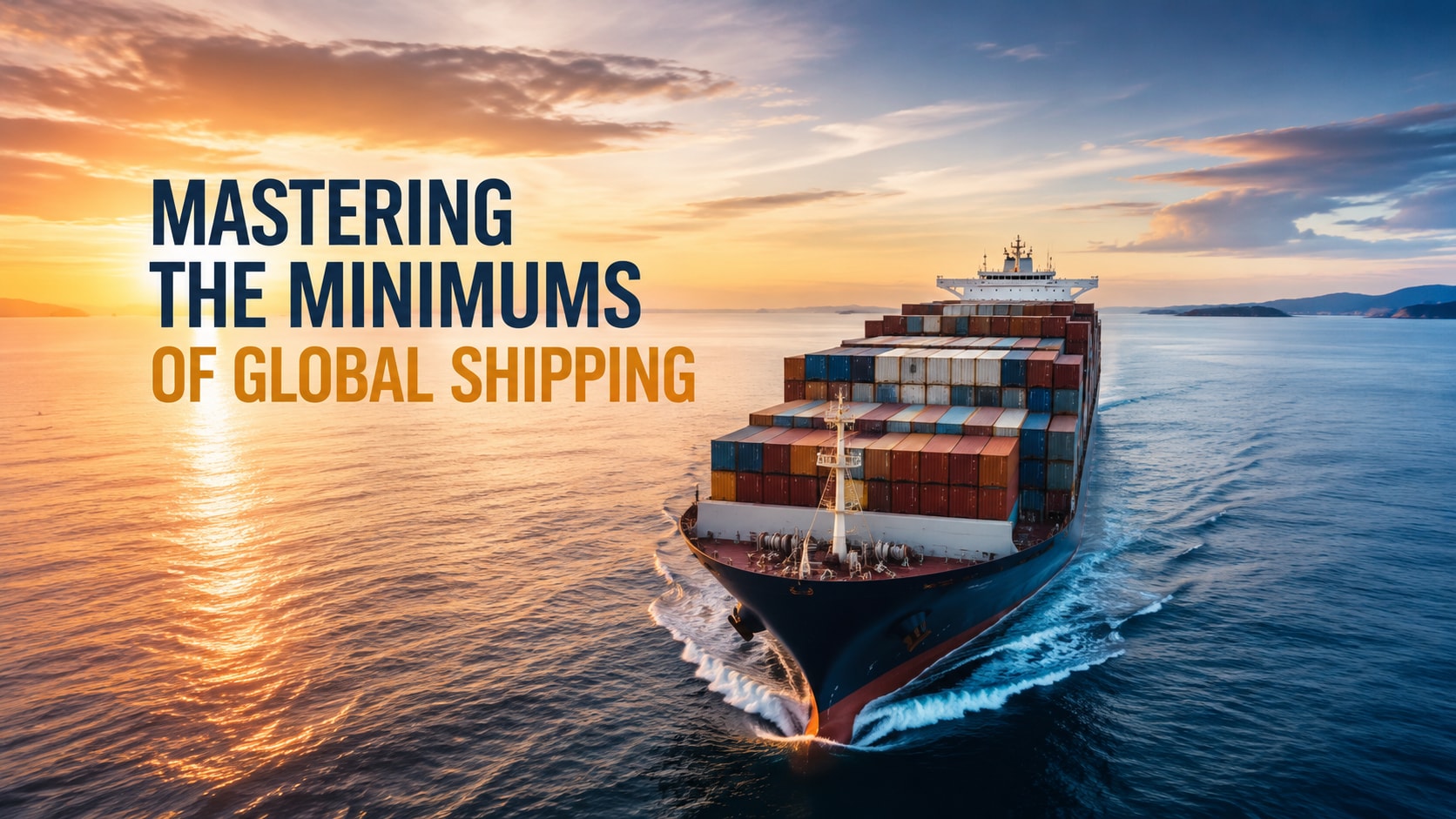
Minimum Order Quantity for International Shipping (MOQ)
Minimum Order Quantity (MOQ) dictates the baseline financial and physical volume commitment required for importing bulk goods. According to supply chain research from [The Pennsylvania State University](https://honors.libraries.psu.According to supply chain research from The Pennsylvania State University, optimizing these order thresholds reduces total procurement costs for cross-border transactions. How do US sourcing directors balance factory production minimums against ocean freight constraints? This technical guide details the exact protocols for acquiring agricultural Products – BAKACO and biodegradable materials from Southeast Asia.
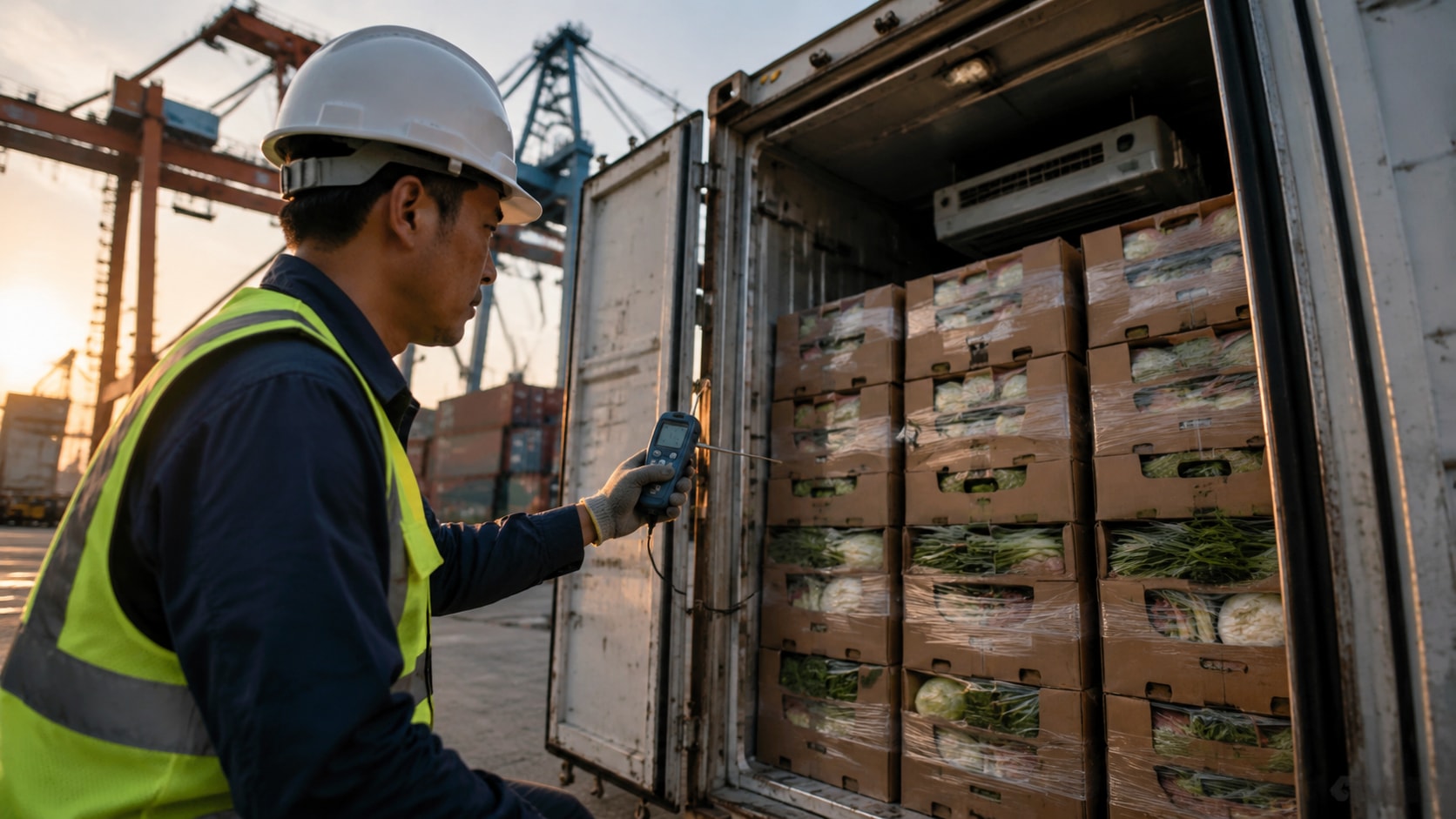
Cross-border sourcing introduces complex logistical barriers that dictate batch sizes. US supply chain executives operating in Vietnam face strict ISO/HACCP compliance requirements alongside FDA/CBP regulations. When importing sensitive cargo, buyers must evaluate the Vietnamese Pangasius Supplier The Ultimate Sourcing Quality Guide to see how facility capabilities establish production minimums. We’ve found that understanding Why Asc And Brc Certifications Are Mandatory For High End Pangasius Markets is critical. Maintaining these certifications during transit demands specific container conditions, which heavily influences the necessary volume.
Procurement Overview
- Manufacturing MOQ vs. Freight MOQ: Manufacturing thresholds are dictated by raw material batches and machine setup costs. Freight minimums depend on the physical space required to book an ocean container efficiently.
- LCL vs. FCL Dynamics: Less than Container Load (LCL) offers lower volume entry points but higher per-unit risks. Full Container Load (FCL) requires higher capital but ensures product integrity.
- Incoterms Influence: The chosen shipping terms dictate who bears the fixed export costs. This directly impacts a supplier’s willingness to process smaller orders.
- Regulatory Compliance: Exporting agri-food items requires specific volumes to justify the overhead of FDA facility registration and phytosanitary documentation.
What is the minimum order quantity (MOQ) for international shipping?
This foundational metric separates commercial B2B procurement from general e-commerce inventory. The threshold represents the lowest volume or value of goods a supplier and forwarder will process for a single transaction. Data from a Faculty Template on inventory modeling indicates that factory minimums are mathematically derived from machine setup costs and raw material batch sizes, rather than arbitrary sales targets.
Overseas facilities set these limits to ensure revenue from a production run exceeds fixed manufacturing costs. In Southeast Asia, agri-food processors and sustainable casing manufacturers calculate thresholds based on raw material yields and continuous machine operation time. A production line for biodegradable containers requires a specific volume of raw plant fiber to run efficiently without excessive waste.
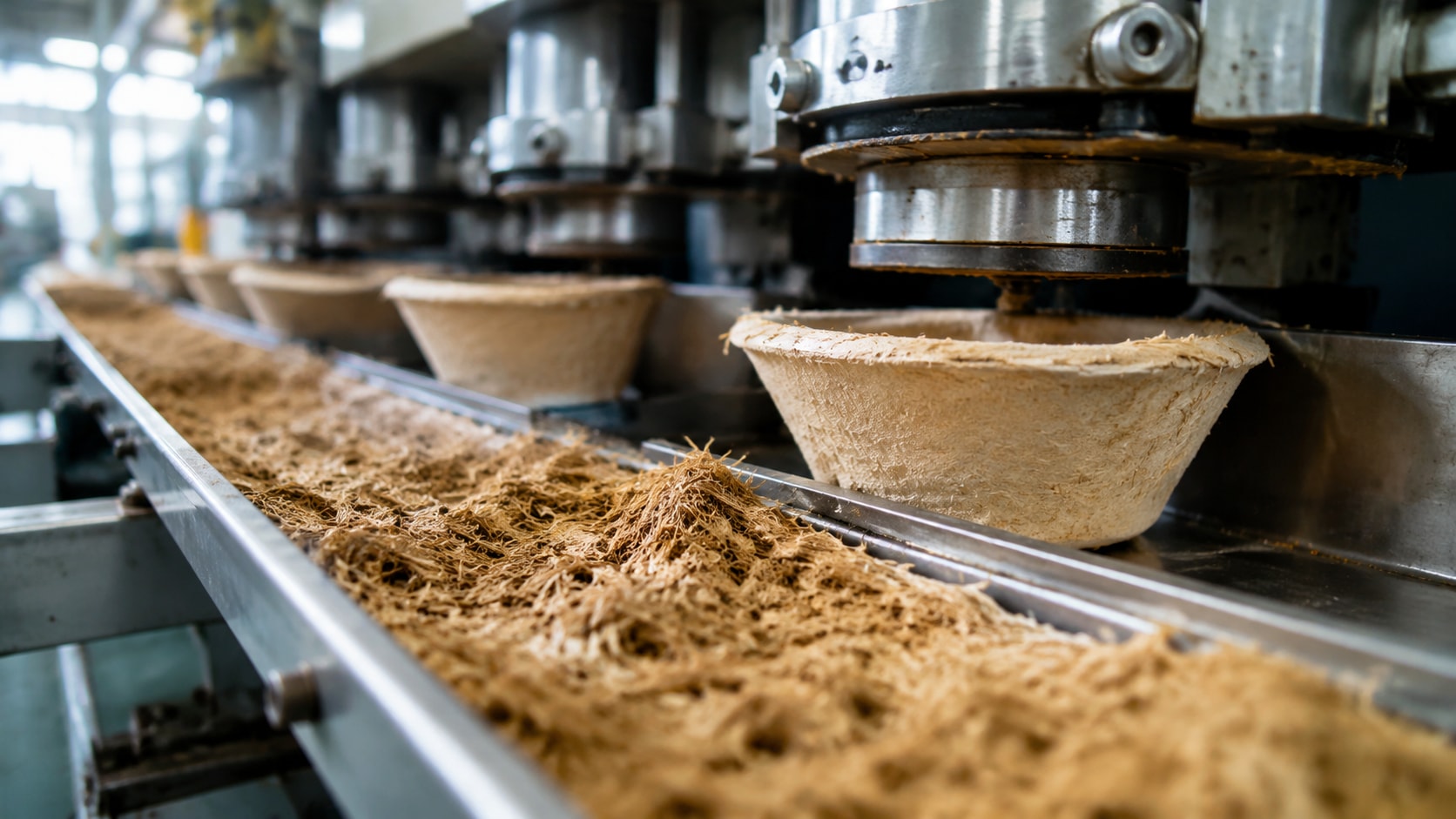
Logistics and customs requirements add another layer of complexity. An overseas factory might have a low baseline, but export documentation, customs clearance, and inland drayage costs often push the practical shipping threshold higher. Importers must align the facility’s production minimums with the logistical realities of moving cargo across the Pacific Ocean.
What is the minimum lot size for international shipping?
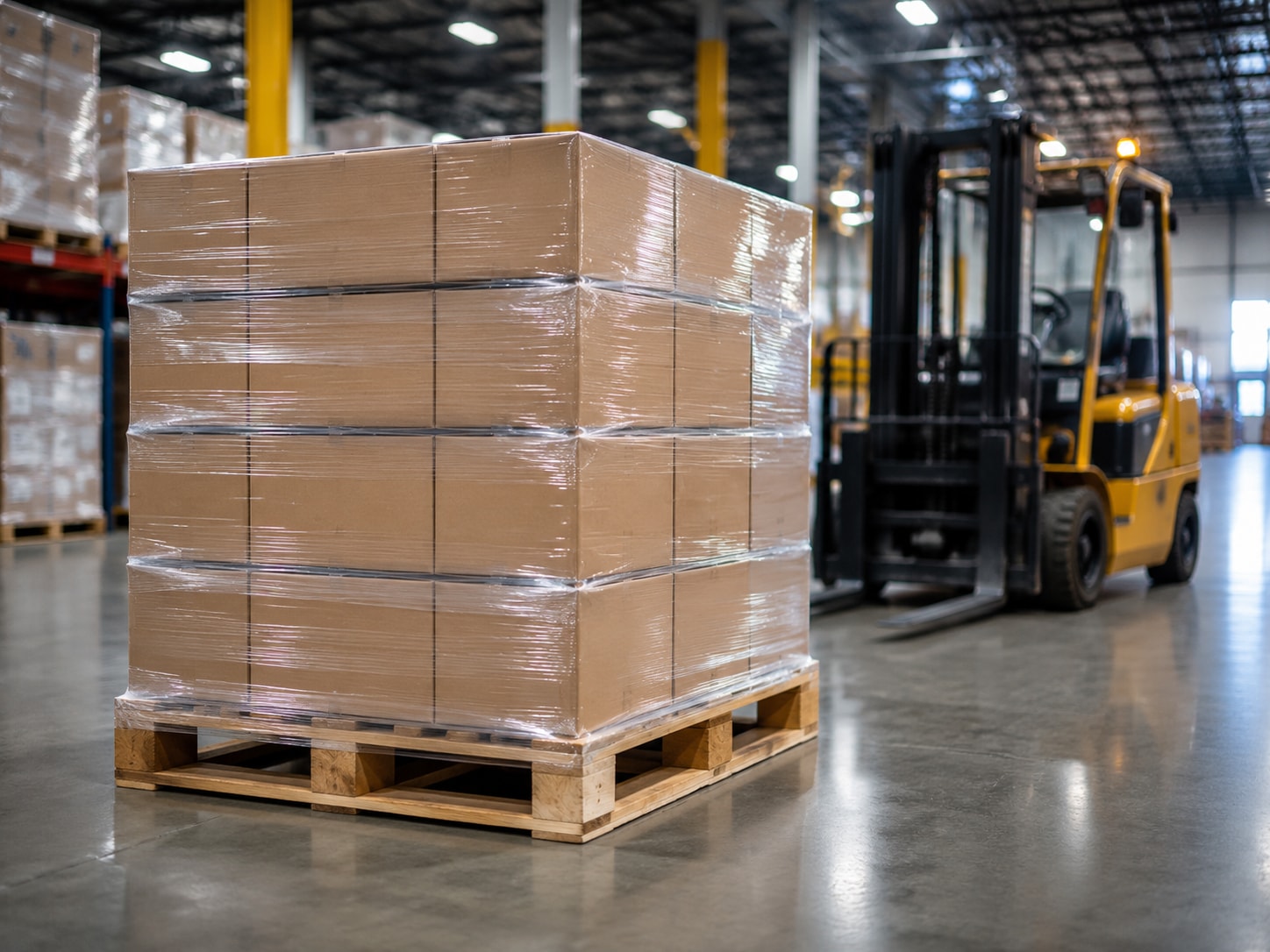
The minimum lot size is the specific physical volume required to efficiently book freight space. It is typically measured in cubic meters (CBM) or standardized pallets. Ocean carriers and consolidators utilize these metrics to maximize container utilization and calculate volumetric weight charges.
Consolidators typically enforce a baseline volume requirement for shipments. Practical lot sizes for commercial agri-food imports, however, are significantly larger. When importing biodegradable materials or bulk crops, the lot size must financially justify export documentation, FDA facility registration processes, and sanitary inspections required by US Customs and Border Protection.
Sourcing directors must calculate lot sizes by dimensional weight and pallet configuration rather than just unit count. A lot size that perfectly fills standard export pallets minimizes transit damage. It also maximizes the efficiency of warehouse handling upon arrival in the United States. Failing to optimize this metric often results in paying for empty space or incurring high manual handling fees at the destination port.
How does ocean freight dictate LCL vs FCL minimum order quantity?
Ocean transit forces buyers to choose between Less than Container Load (LCL) and Full Container Load (FCL). Both require meeting specific volume or container size minimums. This physical constraint remains the primary driver of baseline order volumes for ocean freight, separating low-volume test runs from scalable commercial supply chains.
LCL shipping allows multiple importers to share container space, lowering the barrier to entry for mid-sized organic food brands. The data suggests LCL introduces significant risks for cultivated Products – BAKACO. Shared containers increase the risk of cross-contamination, temperature fluctuations, and extended transit times due to port consolidation processes. For sensitive imports, executives often consult resources like the Pangasius Fillets Vs Tilapia Fillets A Buyers Guide To Selecting The Right White Fish to understand why maintaining a dedicated environment is critical for preserving product specifications.
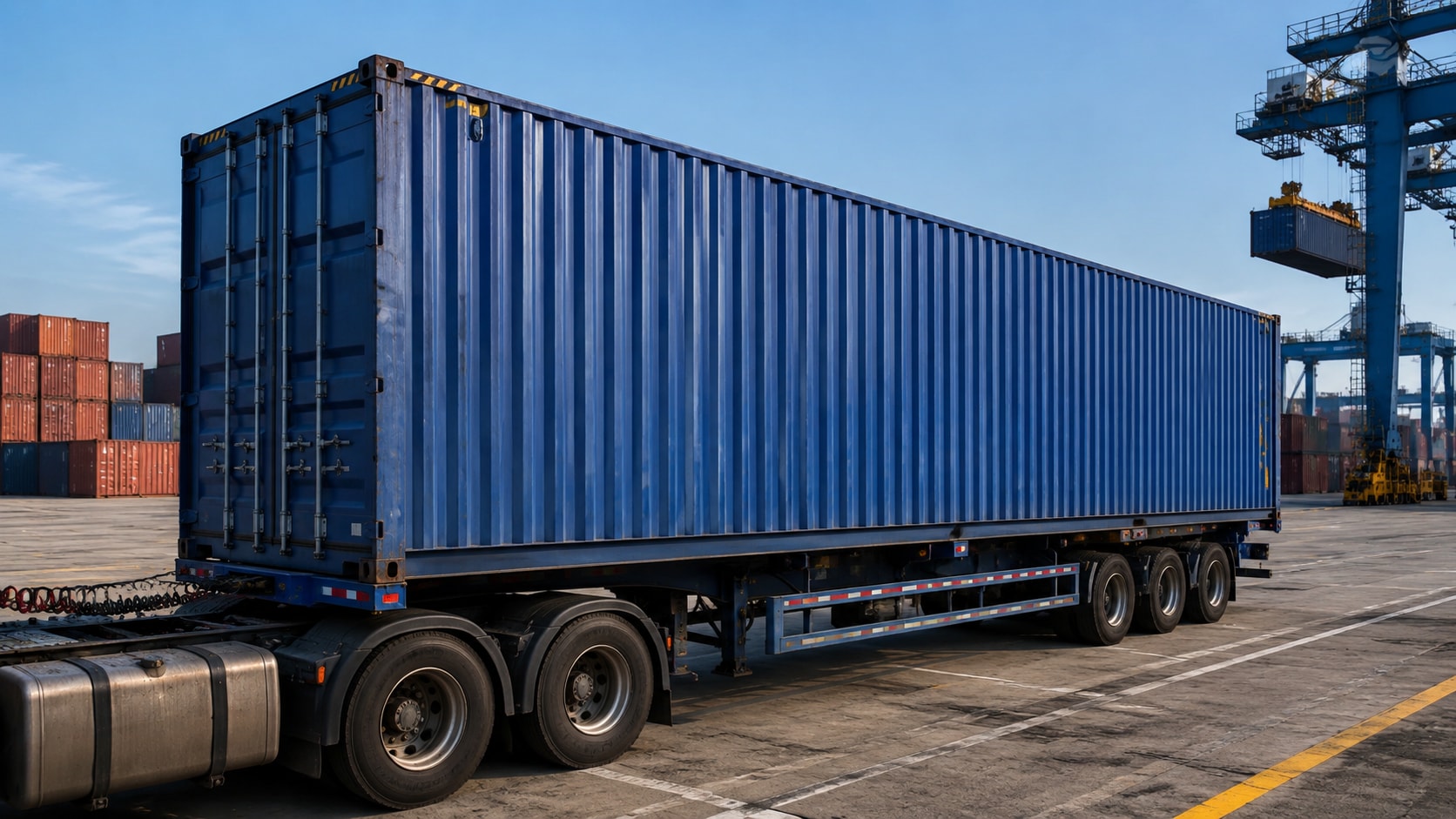
FCL shipping requires a higher initial capital outlay but provides superior direct-from-source pricing and strict environmental control. Filling a 40-foot High Cube container becomes the de facto baseline for established US importers.
| Feature | Less than Container Load (LCL) | Full Container Load (FCL) |
| :, – | :, – | :, – |
| Minimum Volume | 1 Cubic Meter (CBM) | 20-foot or 40-foot container |
| Cost Structure | Higher cost per CBM | Lower cost per unit/CBM |
| Contamination Risk | High (shared with unknown cargo) | Low (sealed at origin) |
| Transit Time | Slower (requires consolidation) | Faster (direct routing) |
| Best For | Initial test orders, non-perishables | Bulk agriculture, sensitive packaging |
How do Incoterms impact your MOQ logistics and customs?
Incoterms determine whether the buyer or seller is responsible for the fixed costs of export clearance. This heavily influences a supplier’s willingness to accept smaller orders. These internationally recognized terms define the exact point where risk and financial responsibility transfer from the Vietnamese manufacturer to the US importer.
When operating under FOB (Free On Board) terms, the factory absorbs the costs of local transport, port handling, and export customs clearance in the origin country. Because these are fixed costs regardless of batch size, facilities naturally enforce higher minimums to protect their margins. Conversely, EXW (Ex Works) terms might allow for lower manufacturing thresholds. They do, however, shift the entire logistical burden and export compliance risk to the US buyer.
Understanding these dynamics is critical for negotiating initial contracts. Sourcing directors must review standard Shipping Delivery Terms to accurately calculate the landed cost of goods. A lower threshold under EXW might appear attractive initially. Yet, the disproportionate freight and customs fees for a small volume shipment often render the transaction commercially unviable for mid-sized US food brands.
What is EOQ vs MOQ in international supply chains?
Economic Order Quantity (EOQ) is the buyer’s ideal batch size that minimizes inventory holding and ordering costs. Minimum Order Quantity (MOQ) remains the supplier’s mandatory baseline for production. Research on Extensions to the Guaranteed Service Model for Industrial Supply Chains demonstrates that balancing these two metrics is the primary challenge in multi-echelon inventory optimization.
US executives calculate EOQ based on domestic warehouse storage costs, the cost of capital, and historical demand velocity. This formula generates an optimal purchasing batch size. This ideal number frequently clashes with the overseas manufacturer’s baseline, which is driven by Southeast Asian factory economics, raw material minimums, and container capacities.

Are you tying up excess capital? When EOQ is lower than the factory minimum, the buyer is forced to secure additional warehouse space. When EOQ is higher, the importer must decide whether to order multiple batches or negotiate a larger, customized production run. Successful cross-border procurement requires aligning the US-based EOQ with the Vietnamese facility’s baseline to ensure continuous supply without crippling cash flow.
How to decide minimum order quantity for export shipments?
To determine the ideal export volume, calculate your annual demand, factor in ocean transit times from Vietnam to the US, and assess your cash flow against FCL container pricing. This calculation ensures the shipped volume justifies logistical overhead while maintaining commercial viability upon arrival.
- Calculate Demand and Shelf Life: Determine your short-term demand forecast. For agri-food goods, cross-reference this volume with the product’s certified shelf life. Ordering excess inventory to meet a high baseline is catastrophic if the item expires before it can be sold.
- Assess Freight Capacity: Convert your required unit count into standard export cartons, then calculate the total Cubic Meters (CBM). Compare this CBM against standard 20-foot and 40-foot container capacities.
- Evaluate Capital Allocation: Calculate the total landed cost, including the factory price, ocean transit, customs duties, and FDA inspection fees. Ensure your working capital can sustain this outflow during the transit period before the goods can be monetized.
- Verify Quality Control Thresholds: Confirm that the order volume is sufficient to trigger the supplier’s internal ISO/HACCP compliance protocols. Some facilities reserve their highest tier of quality assurance testing for FCL shipments.
How to negotiate MOQ with international suppliers?
You can negotiate volume thresholds with overseas suppliers by offering to pay a higher price per unit for a smaller initial test order. Standardizing your product specifications or bundling multiple product lines into one container also works. Manufacturers are primarily concerned with mitigating the risk of unprofitable machine setups. Negotiations must address their operational costs directly.
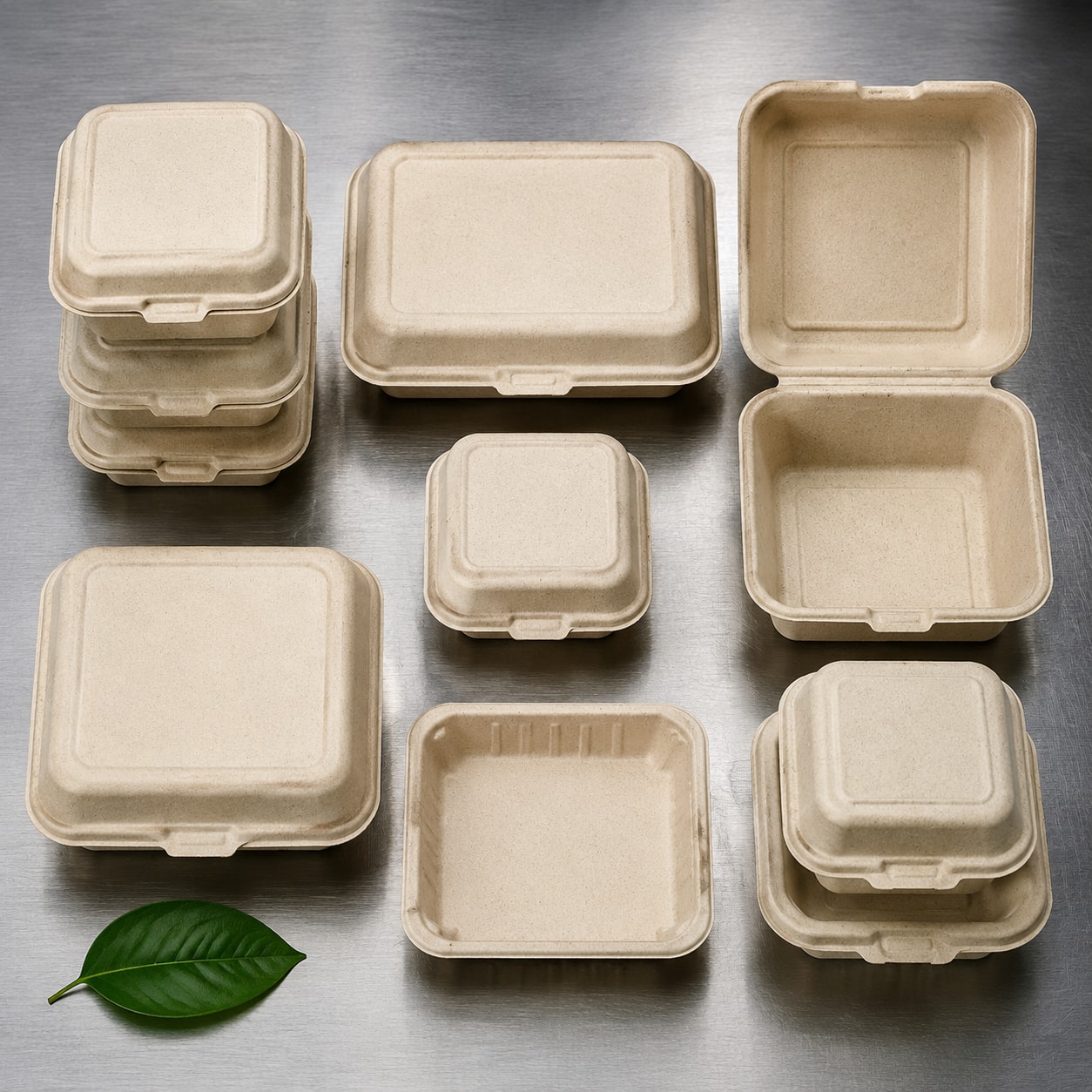
Mid-sized organic food brands often struggle to meet the strict container minimums demanded by top-tier Southeast Asian farm-level processors. One effective strategy is utilizing standard packaging rather than demanding custom-printed materials for the first order. Custom casing requires separate production runs with their own massive baselines, which the facility will pass on to the buyer.
Establishing clear financial terms builds trust and flexibility. Reviewing the supplier’s Order Payment Policy and offering favorable payment terms, such as a larger upfront deposit, can incentivize a factory to lower their volume requirements. Building a long-term relationship based on direct-to-farm traceability and transparent communication yields better negotiation outcomes than aggressive, transactional demands.
What are the limitations and alternatives if you cannot meet freight MOQs?
If you cannot meet a supplier’s freight minimum, your primary alternatives are utilizing freight consolidators for LCL shipments, partnering with a domestic wholesale broker, or sourcing standard non-custom items. Each alternative carries specific trade-offs regarding cost, quality control, and supply chain transparency.
One common mistake we see is US importers attempting to force FCL pricing on LCL volumes. This results in damaged supplier relationships and compromised quality control. When buyers push factories below their profitable operating thresholds, facilities often cut corners on raw material grading or HACCP compliance to maintain their margins. High volume requirements exist to protect the integrity of the production process.
Relying on domestic middlemen is a common alternative, but it obscures origin data and inflates costs. Bakaco’s transparent direct-from-source model provides better long-term scalability. By offering clear specifications and verifiable lab data, buyers can confidently scale their operations to meet standard export thresholds. This secures better pricing and complete supply chain visibility without the opacity of traditional brokers.
Still Have Questions About International Shipping MOQs?
Navigating global shipping minimums requires careful alignment between your domestic inventory needs and ocean freight constraints. Balancing LCL and FCL logistics, understanding how Incoterms affect your landed costs, and negotiating effectively with Southeast Asian suppliers are critical competencies for US executives. Mastering these variables ensures your supply chain remains profitable, compliant with FDA/CBP regulations, and capable of delivering consistent product quality. To explore scalable sourcing options that meet strict compliance standards, review our Products – BAKACO.