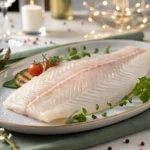
Pangasius Fillets vs. Tilapia Fillets: A Buyer’s Guide to Selecting the Right White Fish
Table of Contents
I. Introduction
In the competitive world of seafood procurement, deciding between Pangasius fillets vs. Tilapia fillets is a fundamental choice that impacts your margins, supply stability, and end-user satisfaction. Both are popular white fish choices in global markets; however, they offer distinct profiles in terms of texture, culinary performance, and operational cost. For distributors and food service managers, the real value lies in selecting the variety that provides consistent supply and lower secondary processing requirements. This guide compares these two white fish staples, highlighting why well-trimmed Pangasius is often the more efficient and reliable solution for businesses aiming to optimize their seafood sourcing strategy.
II. Origin and Farming Profiles
The distinction between Pangasius and Tilapia begins at the source. Pangasius (specifically Pangasianodon hypophthalmus) is uniquely tied to the nutrient-rich waters of the Mekong Delta in Vietnam. This region offers a perfect natural environment for Pangasius, where aquaculture practices have evolved into a highly integrated, professional supply chain. Because the farming zones are geographically concentrated, Pangasius producers can maintain rigorous, centralized control over water quality, feed standards, and biosecurity.
In contrast, Tilapia is a global commodity farmed in diverse environments across various continents. While widely available, this geographical dispersion often leads to significant inconsistencies in farming standards, feed quality, and environmental compliance between different suppliers. For a buyer, this means that sourcing consistent Tilapia often involves managing multiple, fragmented supply chains. Conversely, professional Pangasius producers like BAKACO operate under unified, audit-ready standards such as ASC and BAP, ensuring that the raw material is stable, sustainable, and transparent from day one.
III. Sensory Comparison: Flavor, Texture, and Culinary Versatility
For chefs and retail product managers, the sensory experience determines the “repurchase rate” of a seafood product. While both species are classified as white fish, they behave differently in the kitchen.
Flavor Profile Pangasius is celebrated for its exceptionally mild, clean taste. Unlike some Tilapia varieties, which can occasionally carry an “earthy” or “muddy” note depending on the pond environment, Pangasius is famously neutral. This makes it a “blank canvas”—it does not compete with your signature sauces or seasonings, allowing the flavors of your culinary creation to shine. It is the perfect choice for delicate applications, such as steamed fillets or subtle, refined soups.
Texture and Moisture Texture is where the differences become distinct. Tilapia typically has a firmer, slightly grainier muscle structure. While this holds up well to high-heat grilling, it can become dry if overcooked. Pangasius, by contrast, features a more succulent, delicate flake. Because of its higher natural moisture content, Pangasius remains tender and juicy even if the cooking time varies slightly. This “forgiving” nature makes it an ideal choice for large-scale catering, where maintaining perfect results across hundreds of portions is a challenge.
Culinary Versatility Pangasius excels in its ability to absorb marinades. Because the muscle fibers are less dense than those of Tilapia, the fish absorbs flavors rapidly—a major advantage for breaded, marinated, or sauced products. Whether it is a spicy curry, a crispy batter-fried fillet, or a Mediterranean-style herb bake, Pangasius integrates seamlessly into diverse global cuisines.
By choosing the well-trimmed Pangasius, you are selecting a product that offers superior culinary consistency, ensuring that your customers receive a moist, flavorful, and high-quality piece of fish every single time.
IV. Economic & Operational Efficiency
From a procurement perspective, the price per kilogram is only one part of the story. The true cost of seafood is determined by its “ready-to-use” yield and the labor required to transform raw material into a sellable product.
The “Well-Trimmed” Yield Advantage When you source well-trimmed Pangasius fillets from BAKACO, you are buying 100% edible weight. The belly flaps, fat lines, and red meat—which often constitute 10-20% of the weight in untrimmed fish—have already been removed. When comparing this to lower-grade Tilapia or untrimmed Pangasius, the math becomes clear: you are not paying for waste, nor are you paying for the freight costs associated with shipping that waste across the ocean.
Labor and Processing Costs One of the most significant “hidden costs” in the seafood industry is the labor required for secondary processing. If you purchase products that require skinning, de-fatting, or portioning at your facility, you are absorbing the costs of specialized staff, dedicated workspace, and waste disposal management. A well-trimmed Pangasius fillet bypasses these steps entirely. It arrives at your warehouse chef-ready or retail-ready, allowing you to move the product directly into packaging or onto the menu.
Stability and Predictability Supply chain stability is the backbone of operational efficiency. The integrated nature of the Pangasius industry in the Mekong Delta allows for a much more stable price and supply consistency compared to Tilapia, which can be prone to regional output fluctuations or seasonal availability issues. For B2B buyers, this consistency is vital for maintaining steady retail pricing and long-term menu planning. By opting for a high-quality, professional Pangasius supply, you minimize the risks associated with market volatility and ensure that your business runs smoothly, day in and day out.
>>> Find Out Why Pangasius Fits Healthy Meal Prep Standards
V. Nutritional Value and Food Safety
When evaluating the nutritional value of pangasius fillets against Tilapia, both serve as exceptional sources of lean, high-quality protein with low caloric density, making them highly attractive to health-conscious consumers worldwide. However, the critical differentiator for global B2B procurement lies heavily in the realm of food safety standards and chemical residue control.
While Tilapia supply chains can sometimes suffer from regulatory fragmentation, leading to occasional entry rejections in strict markets, professional Pangasius exports from Vietnam are bound by an incredibly advanced biosecurity infrastructure. At BAKACO, we mitigate these compliance risks through a multi-tiered safety protocol:
- Antibiotic-Free Certification: Every single farming pond is rigorously audited and tested prior to harvesting to ensure 100% compliance with the stringent residue regulations of the US FDA, EU, and strict global markets.
- ISO 17025 Accredited Testing: Our finished production lots undergo exhaustive microbiological and chemical screening utilizing state-of-the-art laboratory testing parameters.
By prioritizing a certified supply chain over fragmented sources, smart buyers ensure they are importing a product that is both highly nutritious and legally bulletproof at the destination port.
VI. Why Smart Buyers Choose Pangasius
When we look beyond the base commodity price and analyze the total cost of ownership, the comparison between Pangasius fillets vs. Tilapia fillets shifts heavily in favor of a precision-processed Pangasius. Smart procurement is about de-risking your supply chain while locking in predictable yield margins.
By opting for a centralized, highly regulated source like the Mekong Delta, buyers eliminate the quality variances that frequently plague fragmented Tilapia supply chains.
Quick Comparison: B2B Procurement Decision Matrix
The following table provides a quick-look matrix for category managers evaluating their next volume contract:
| Business Metric | Premium Well-Trimmed Pangasius | Standard Tilapia Fillets |
| Flavor Consistency | Guaranteed neutral; zero muddy or earthy notes. | Variable; highly dependent on regional pond management. |
| Net Edible Yield | 100% (Zero waste, fully trimmed). | 80% – 90% (Often requires secondary trimming). |
| In-House Labor Cost | Zero. Chef-ready and retail-ready out of the box. | Moderate to high; requires manual quality check and fat removal. |
| Supply Chain Stability | High; centralized integration allows year-round contracts. | Moderate; prone to localized environmental and policy shifts. |
| Marinade/Sauce Absorption | Excellent; loose muscle fibers act as a flavor sponge. | Moderate; dense muscle structure limits deep penetration. |
Ultimately, a well-trimmed Pangasius fillet acts as an operational buffer for your business. It allows you to forecast menu pricing accurately, lower your back-of-house labor expenses, and offer a consistent culinary experience that preserves your brand’s reputation.
VII. Conclusion
While Tilapia remains a familiar staple in the white fish market, premium Pangasius offers an unparalleled combination of sensory neutrality, operational predictability, and zero-waste efficiency. For global B2B buyers looking to de-risk their seafood procurement and eliminate hidden labor costs, shifting to a centralized, highly audited supply chain is the single most effective way to protect downstream margins.
To understand the exact technical specifications, freezing protocols, and quality control systems that define a premium export, explore our comprehensive pillar guide on the Pangasius fillet well-trimmed standard, or contact the BAKACO export desk today to request a tailored wholesale quotation for your target market.