Optimizing Commercial Kitchens: Why Pangasius Fillets for Meal Prep Deliver Maximum ROI
Table of Contents
I. Introduction
The global explosion of the health-and-wellness sector has transformed commercial meal prep from a niche fitness trend into a multi-billion-dollar food service industry. For central kitchens and healthy food delivery chains, the ultimate operational challenge is sourcing high-protein, lean white fish such as pangasius fillets and talapia fillets that maintains its cellular integrity during mass production and shipping.
This is exactly where utilizing premium pangasius fillets for meal prep becomes a strategic game-changer. Beyond offering an excellent macronutrient profile for calorie-conscious consumers, this adaptable fish provides commercial kitchens with unmatched cost stability, precise portion control, and superior texture retention when reheated—directly driving higher customer satisfaction and healthier operational margins.
II. The Nutritional Matrix: Why Pangasius Fits Healthy Meal Prep Standards
When formulating menu macros for fitness-focused or calorie-restricted diet plans, product development teams look closely at the nutritional matrix. Pangasius is highly competitive because it delivers a dense concentration of clean, lean protein with minimal fats and zero carbohydrates. For a standard serving, the baseline calories in pangasius fillets remain remarkably low, allowing commercial meal prep brands to engineer high-protein, calorie-controlled meals without inflating the overall caloric footprint of the tray.
However, the real secret weapon of utilizing pangasius fillets for meal prep isn’t just the data on paper—it is the post-reheating performance.
The most prevalent complaint from consumers using microwaveable meal kits is that traditional white fish turns dry, rubbery, or chalky after secondary heating. Pangasius solves this issue due to its unique, delicate muscle structure and optimal moisture distribution. When individually quick-frozen (IQF) properly and later microwaved by the end consumer, the fish retains its succulent texture and tender flake. It resists drying out and does not release excessive purge water into the container, preserving both the aesthetic presentation and the taste profile of your product line.
III. Operational Efficiency: How “Well-Trimmed” Specs Cut Down Kitchen Labor
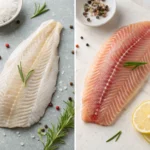
In commercial food production, labor costs and yield loss are the primary drivers of margin erosion. For high-volume central kitchens, purchasing lower-grade or inconsistent fish requires extensive back-of-house prep time—including manual de-fatting, removing fat lines, and double-checking for missed bones. By shifting to a premium Pangasius fillet well trimmed specification, commercial meal prep manufacturers instantly implement a zero-waste workflow. Every single gram of fish delivered to your facility goes directly onto the production line, completely eliminating prep waste and its associated handling costs.
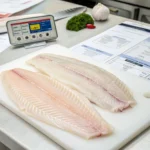
Furthermore, professional suppliers like BAKACO offer calibrated portions tailored precisely to your menu blueprints (e.g., exact 120g, 150g, or 200g cuts). On an automated or manual meal assembly line, speed and precision are paramount. Staff should not have to stop to slice, trim, or weigh individual pieces to meet strict consumer macro profiles.
With pre-calibrated pangasius fillets, food service operations can control portion-cost deviations to less than 1%. This level of structural precision not only accelerates your kitchen’s throughput during the plating phase but also guarantees that the nutrition facts printed on your consumer packaging match the actual physical content of the tray. By removing the unpredictable human variable of raw prep work, you lock in stable operating costs and allow your culinary team to focus entirely on scalability and flavor development.
IV. Culinary Adaptability in Vacuum-Sealed & Modified Atmosphere Packaging (MAP)
For modern meal prep brands, extending chilled shelf-life without utilizing artificial preservatives is a major operational milestone. This is typically achieved through Vacuum Skin Packaging (VSP) or Modified Atmosphere Packaging (MAP). When sealing pangasius fillets for meal prep under these advanced technical environments, the fish demonstrates exceptional stability. Because premium Pangasius has a uniform moisture profile and minimal cellular breakdown during the initial IQF process, it does not experience rapid oxidation or color degradation inside a gas-flushed tray. This ensures a pristine visual presentation for 3 to 5 days in the retail chill chain.
Furthermore, its unique protein density makes it an incredible vehicle for culinary innovation. In clean-eating or macro-optimized menus, flavor differentiation relies heavily on complex marinades, low-sodium glazes, and clean culinary infusions. Unlike denser white fish that repel surface moisture, the porous yet firm flake of Pangasius acts as a natural sponge, rapidly pulling in marinades during automated vacuum-tumbling cycles.
Whether your culinary development team is engineering a high-protein Teriyaki bowl, a Keto-friendly Mediterranean herb bake, or a series of fitness-focused healthy meals with pangasius fillets, this fish absorbs and locks in the flavor base completely. The result is a premium meal kit that looks freshly prepared, smells appetizing upon unsealing, and delivers a burst of clean flavor to the end consumer.
V. Commercial Sourcing: Packaging & IQF Requirements for Mass Production
When scaling up to mass production, the physical format of your raw materials dictates your assembly line’s operational speed. For high-throughput industrial kitchens, block-frozen seafood is a logistical bottleneck. This is why professional procurement managers specifically demand Individually Quick Frozen (IQF) pangasius fillets for meal prep operations.
- The IQF Defrost Advantage: IQF technology ensures that each fillet is frozen independently within minutes, locking in the cellular structure and preventing ice-crystal formation. In a mass production setup, this allows kitchen staff to defrost the exact number of fillets required for a specific batch run. Any unused inventory remains safely in deep freeze, drastically reducing food waste and maintaining strict biosecurity protocols.
- Industrial Packaging Specs: Efficient logistics rely on standardized packaging. BAKACO provides tailored bulk packaging formats—such as 10kg master cartons with precise inner blue polybags or 1kg bags—designed to match international pallet standards. This configuration optimizes space in your walk-in freezers, streamlines inventory audits, and protects the fish from freezer burn during transit within your cold chain network.
By optimizing the physical packaging and freezing method, you directly reduce handling time and maximize your warehouse throughput.
VI. Conclusion
Implementing pangasius fillets for meal prep operations is a calculated commercial strategy that solves the three greatest pain points of the food service industry: labor costs, yield unpredictable variances, and post-reheating quality degradation. By switching from fragmented white fish sources to a highly calibrated, well-trimmed Pangasius supply chain, your central kitchen can successfully scale its production while locking in a consistent, macro-friendly customer experience.
Don’t let operational inefficiencies cut into your food service margins. Partner with an integrated manufacturer that can deliver precision-cut, certified white fish tailored to your brand’s strict parameters.
Secure your year-round volume contract pricing and protect your business against market volatility