Engineering Profitable Menus: Designing Healthy Meals with Pangasius Fillets for Food Service
Table of Contents
I. Introduction
The global paradigm shift toward healthy dining has forced F&B operators and central kitchens to move beyond basic calorie counting and embrace strict, nutrient-dense menu engineering. However, commercial food service operators face a critical operational paradox: designing premium, low-calorie menus without sacrificing moisture retention or inflating food costs.
To overcome this hurdle, innovative culinary development teams are pivoting to high-yield white fish alternatives. Strategizing healthy meals with pangasius fillets has emerged as the definitive solution for modern menu managers, offering a highly adaptable, cost-stable, and moisture-rich protein foundation that satisfies both strict macronutrient targets and bottom-line profitability.
II. Nutrient Profile: Slicing the Macros for Clean-Label Menus
For culinary R&D teams and quality assurance officers, engineering a compliant, clean-label menu requires an uncompromised raw material profile. Pangasius fillets provide an exceptional macronutrient distribution characterized by high-density, lean protein and minimal crude lipids. On average, a standard 100-gram raw serving yields 13 to 15 grams of highly bioavailable protein balanced against exceptionally low saturated fat levels, making it a powerful tool for menu tracks targeting cardiovascular health.
Integrating this white fish into your F&B supply chain seamlessly satisfies the modern consumer demand for transparent, clean-label sourcing. Because the meat contains zero carbohydrates and trans fats, it acts as a predictable nutritional canvas. This structural balance is highly efficient when auditing the exact calories in pangasius fillets for commercial menu transparency, ensuring your brand stays well within legal regulatory compliance margins.
Ultimately, this dense, low-fat composition elevates the holistic nutritional value of pangasius fillets above other volatile white fish alternatives. It gives commercial procurement managers and dietitians a stable, macro-optimized asset to confidently scale health-focused culinary concepts without risking unexpected nutritional spikes in the final plate presentation.
III. Developing Commercial “Healthy Meals with Pangasius Fillets” Across Dietary Trends
To maximize F&B revenue, menu developers must engineer versatile dishes that seamlessly cross multiple dietary demographics. The unique physical and sensory properties of Pangasius allow it to adapt effortlessly to distinct nutritional frameworks without sacrificing structural integrity or flavor profile.
The Mediterranean Menu Concept
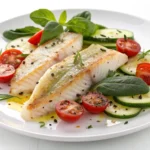
The cornerstone of Mediterranean culinary design is fresh, unmasked ingredients. Utilizing a baked presentation with extra virgin olive oil, charred lemon, and cracked black pepper demonstrates how the naturally neutral flavor profile of Pangasius serves as a premium sensory canvas. Unlike oily or strongly flavored wild fish that can overwhelm a dish, its mild background allows the clean, vibrant notes of cold-pressed oils, capers, and fresh herbs to take center stage. This enables R&D chefs to deliver authentic, heart-healthy options that consistently satisfy wellness-minded diners.
The Low-Carb / Keto Approach
For carbohydrate-restricted or ketogenic menus, creating a satisfying, premium mouthfeel without relying on heavy breading is a known operational hurdle. A pan-seared Pangasius fillet paired with wood-fired asparagus and a delicate lemon-ghee emulsion highlights the fish’s exceptional moisture retention. Because high-quality Pangasius retains its natural cellular fluids under high heat, it remains remarkably succulent and tender even when prepared with minimal cooking oils. This effectively eliminates the dry, chalky texture common in lower-grade white fish, ensuring excellent customer satisfaction for low-carb product lines.
Low-Sodium Institutional Catering
In healthcare, senior living, and school nutrition programs, strict regulatory caps on sodium eliminate the option of using salty sauces or heavy masking glazes. A clean, steamed formulation infused with fresh ginger and scallions proves the absolute purity of the raw material. Because premium-sourced fillets guarantee zero muddy or earthy notes, they deliver a naturally clean, sweet finish using only non-sodium aromatics. This allows large-scale institutional caterers to comfortably satisfy strict wellness guidelines while maintaining excellent menu consumption rates across high-volume facilities executing healthy meals with pangasius fillets.
IV. Why Visual Appeal Demands Premium Trimming
The Visual Matrix of Healthy Food
In the health-and-wellness F&B sector, consumers eat with their eyes first. Clean-eating programs, fitness-focused meal kits, and premium institutional catering trays demand an absolutely flawless visual presentation. A single fillet contaminated with oily red meat margins, yellowish belly fat, or a stray bone instantly shatters the “clean, pristine” brand promise. It signals poor quality control to the consumer, triggering negative brand perception, immediate culinary friction, and customer churn.
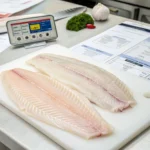
To guarantee an unblushing, premium presentation across high-volume assembly lines, commercial operators must mandate a strict pangasius fillet well trimmed specification at the core procurement stage. BAKACO’s precision-trimming protocols guarantee the total mechanical removal of all visual defects, red lateral muscle tissue, and flanking fat lines, leaving a uniform, snow-white canvas that elevates the perceived value of your final dish.
F&B procurement managers must recognize that purchasing cheaper, poorly processed raw materials introduces an unsustainable operational risk. Reviewing our technical breakdown on well trimmed vs untrimmed fish fillets illustrates how selecting an inferior grade directly causes severe brand erosion, unnecessary back-of-house labor inefficiencies, and negative consumer reviews due to unappealing plating aesthetics.
V. Operational Synergy with Meal Prep Logistics
Beyond immediate culinary flexibility, high-yield white fish integration drives massive operational synergy within automated batch-cooking workflows. When executing rapid assembly lines, the structural consistency of the protein determines the speed and security of down-stream sealing. Premium fillets maintain their tight cellular matrix during blast-chilling and vacuum-sealing cycles, preventing excess purge or fluid leakage that typically compromises package seal integrity in chilled tray operations.
To fully exploit these technical packaging advantages and optimize central kitchen throughput, logistics managers must align their sourcing with specialized pangasius fillets for meal prep parameters, ensuring an unbroken, highly efficient flow from raw procurement to the final chilled retail tray.
VI. Conclusion
Engineering a high-margin, nutritionally compliant wellness menu requires a flawless protein foundation. BAKACO’s premium white fish serves as the ultimate operational canvas for commercial healthy menus—delivering predictable macronutrients, exceptional moisture retention, and immaculate visual appeal across all dietary trends. By eliminating the risks of caloric volatility and back-of-house labor, you secure long-term brand consistency and optimized food costs.
Don’t compromise your food service margins with unpredictable raw materials. Streamline your menu scaling with precision-cut seafood.
Connect with our supply chain specialists to secure year-round contract pricing tailored to your retail or restaurant chain network.